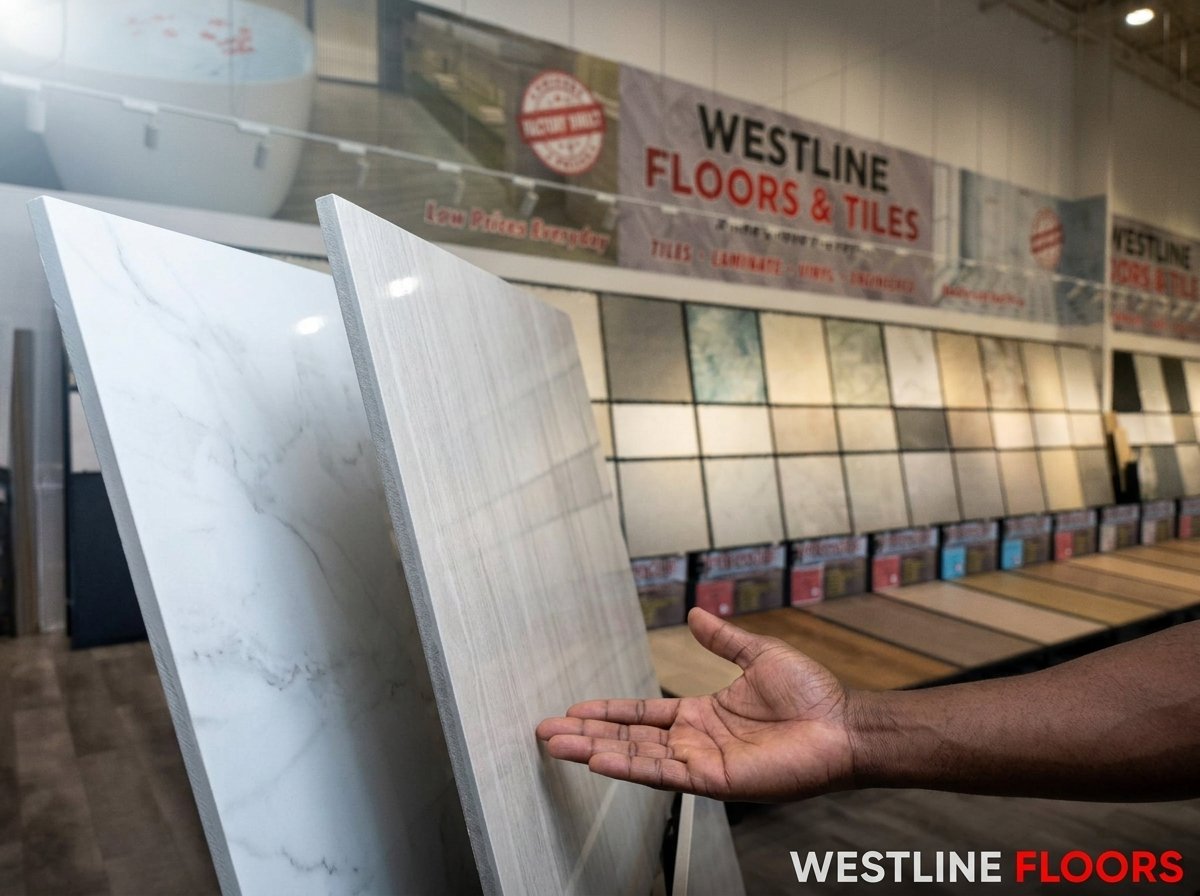
Porcelain tile durability starts with how it’s made. Fired at higher temperatures than ceramic, porcelain becomes denser and less porous, standing strong against daily wear. If you’re planning a summer renovation in Richmond, understanding this process helps you pick a floor that stays reliable, not just stylish. Let’s clear up common doubts and show why a visit to our showroom makes all the difference for your project.
[https://www.youtube.com/watch?v=2ZojSw6rems]
Understanding Porcelain Tile Durability
You might wonder why many experts recommend porcelain tiles for busy spaces. The secret lies in their high-temperature manufacturing process, which keeps porcelain dense and resilient.
High-Temperature Manufacturing Explained
Porcelain’s strength begins with its manufacturing. Tiles are fired at temperatures exceeding 2,300°F. This intense heat transforms the clay into a vitrified material. The result? A tile that is not only dense but also less porous. This means it absorbs less water, making it suitable for areas prone to spills and moisture. This high-heat process ensures that your floors remain robust and reliable for years to come.
Benefits of Dense Low-Porosity Tile
A dense, low-porosity tile offers several advantages for everyday use. First, it resists stains better than more porous options. This is particularly useful in areas like kitchens and bathrooms, where spills are common. Second, its density makes it more resistant to chipping, ensuring a long-lasting surface. Finally, less porosity means it is easier to clean, saving you time and effort.
Porcelain vs Ceramic: Key Differences
While porcelain and ceramic tiles appear similar, their differences are crucial. Porcelain is denser due to its manufacturing process, making it more durable. Ceramic, being softer, is more prone to wear and damage. Porcelain’s low porosity gives it better water resistance, making it ideal for wet areas. Choosing between them often depends on where and how the tile will be used.
Porcelain Tile in Everyday Spaces
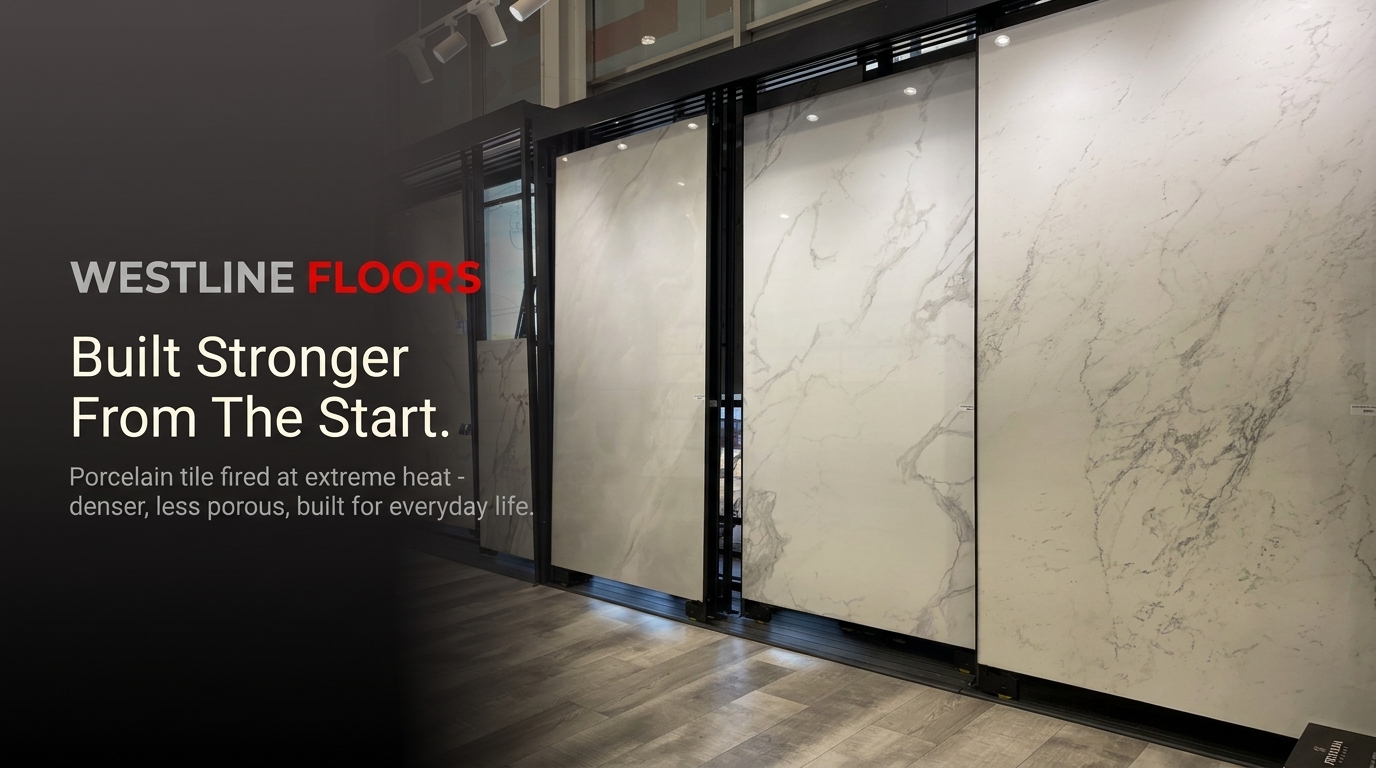
Porcelain tiles are versatile, fitting seamlessly into various areas of your home. They bring both style and practicality, making them a favorite in many households.
Porcelain Floor for Kitchen and Bath
Kitchens and bathrooms benefit greatly from porcelain flooring. The tiles withstand heavy foot traffic and resist moisture, perfect for these high-use areas. In the kitchen, spills happen frequently. Porcelain’s non-porous nature ensures they don’t seep in, keeping your floor looking fresh. In the bathroom, porcelain tiles handle humidity well, preventing mold growth and ensuring a clean, safe environment.
Entryway and Mudroom Tile Solutions
Entryways and mudrooms experience a lot of foot traffic. Porcelain tiles handle this wear beautifully. They resist scratches and scuffs from shoes and are easy to clean. Mud, water, and snow won’t easily penetrate these tiles, making them a practical choice for these entry points. The durability of porcelain ensures that your floors will maintain their elegance, even with constant use.
Tackling Myths: Coldness and Cleaning
A common misconception about porcelain is that it’s cold and hard to clean. While it can feel cool underfoot, pairing it with radiant heating offers a cozy solution. As for cleaning, porcelain’s smooth surface makes maintenance a breeze. Regular sweeping and occasional mopping keep it looking pristine, dispelling the myth that it’s difficult to maintain.
Making the Right Flooring Choice
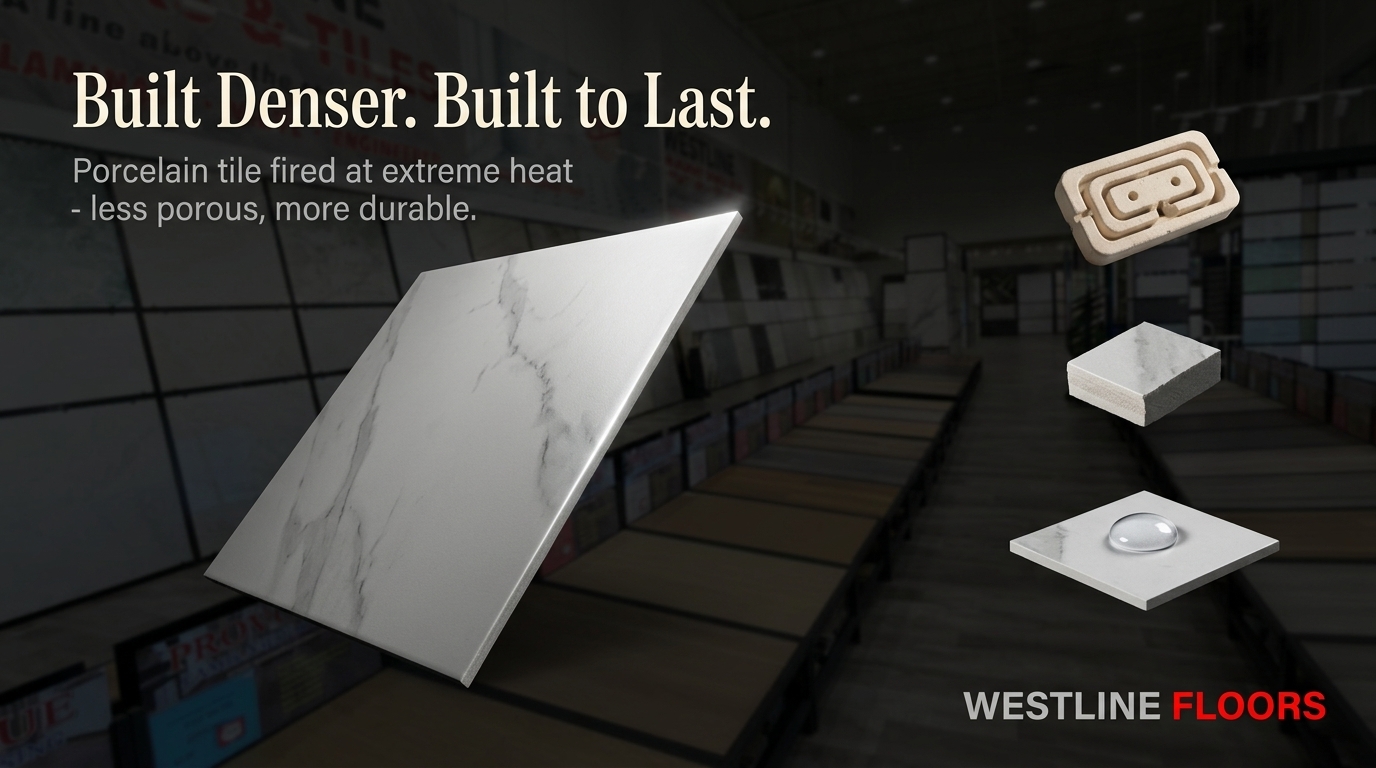
Choosing the right tile involves more than just picking a color. Consider factors like water absorption and slip resistance to ensure safety and longevity.
Water Absorption and PEI Rating
Porcelain’s low water absorption rate, often less than 0.5%, makes it suitable for wet areas. The PEI rating, which measures tile hardness, helps determine the best tile for different spaces. A higher PEI rating means better durability, making it ideal for high-traffic areas. These considerations ensure your tile choice is both practical and enduring.
Slip-Resistant Finishes for Safety
Safety is paramount when choosing flooring. Porcelain tiles come in slip-resistant finishes, reducing the risk of accidents, especially in wet areas. This feature is perfect for families, ensuring peace of mind while maintaining style and function.
Expert Guidance at Richmond BC Showroom
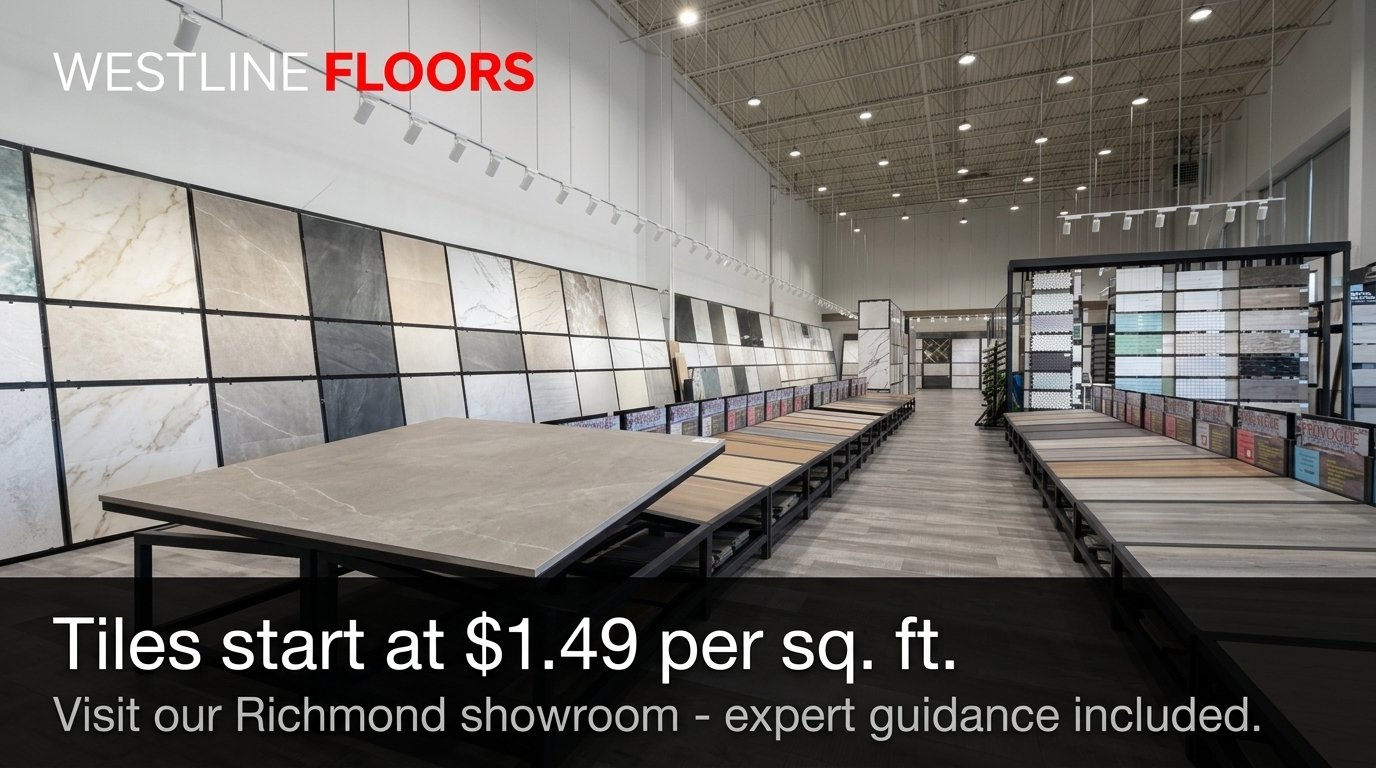
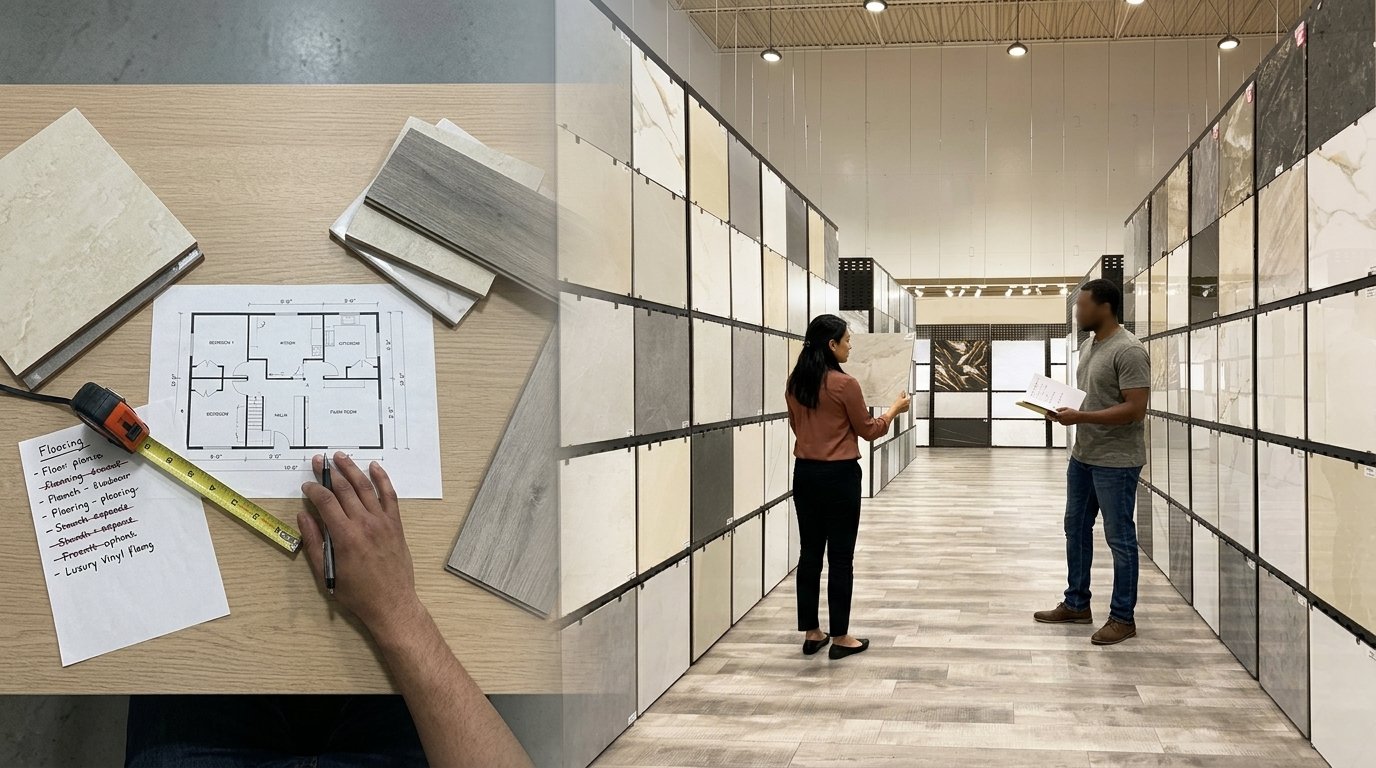
Making the right flooring choice can be daunting. At our Richmond BC showroom, expert guidance simplifies the process. We help you navigate options, ensuring you choose a tile that fits your lifestyle and aesthetic. With personalized consultations, you can confidently select a floor that meets your needs and enhances your space.
Frequently Asked Questions
What makes porcelain tiles more durable than ceramic?
Porcelain tiles are fired at higher temperatures, making them denser and less porous than ceramic tiles. This process results in greater durability and resistance to water and stains.
Are porcelain tiles suitable for high-moisture areas?
Yes, porcelain tiles have a low water absorption rate, making them ideal for areas like bathrooms and kitchens where moisture is prevalent.
How can I keep porcelain tiles clean?
Porcelain tiles are easy to maintain. Regular sweeping and mopping with a mild detergent keep them looking clean. Their low porosity helps resist stains and dirt accumulation.
Do porcelain tiles feel cold underfoot?
Porcelain tiles can feel cool, but they can be paired with radiant heating for a warm, comfortable surface.
Why should I choose porcelain tiles for my entryway?
Porcelain tiles are scratch-resistant and easy to clean, making them perfect for high-traffic areas like entryways. They maintain their elegance despite heavy use.